
The Ultimate Guide to Choosing the Best Running Shoes
Whether you're a seasoned marathoner or just starting your running journey, the right pair of running shoes can make all the difference. Not only do they provide comfort and support, but they also play a crucial role in preventing injuries. With countless options available, finding the perfect pair can be overwhelming. This guide will walk you through everything you need to know to make an informed decision.
Understanding Your Foot Type
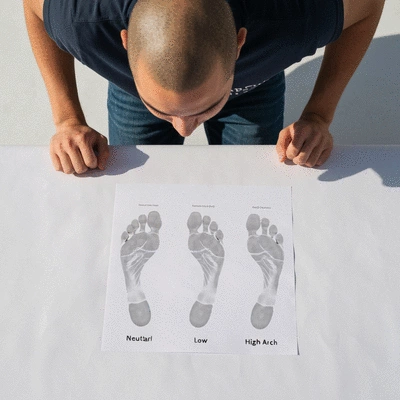
Before you even start looking at shoe brands, it's essential to understand your foot type. This is the most critical step in finding shoes that offer the right support and cushioning. There are three main foot types:
- Neutral Arch: If you have a neutral arch, your foot rolls inward slightly upon impact (pronation), which is a natural shock-absorbing motion. You'll likely see an S-shaped curve in the middle of your footprint.
- Low Arch (Flat Feet): Individuals with low arches or flat feet tend to overpronate, meaning their feet roll inward excessively. This can lead to various issues, including shin splints and knee pain. Your footprint will show almost the entire sole of your foot.
- High Arch: High-arched feet typically underpronate or supinate, meaning the foot doesn't roll inward enough, putting extra stress on the outer edge of the foot. This can lead to issues like plantar fasciitis. Your footprint will show a very thin band or no band at all connecting the heel and forefoot.
You can determine your foot type with a simple wet test at home. Wet your feet and stand on a piece of paper or a brown paper bag. The impression left behind will give you a good indication of your arch type.
Key Features to Consider
Once you know your foot type, you can narrow down your choices based on specific shoe features:
- Cushioning: Running shoes come with varying degrees of cushioning. Minimalist shoes offer very little, while maximalist shoes have thick soles for ultimate shock absorption. The right amount of cushioning depends on your preference, running surface, and mileage.
- Stability vs. Motion Control:
- Stability Shoes: Designed for neutral to mild overpronators, these shoes offer a balance of cushioning and support to guide your foot through a more natural stride.
- Motion Control Shoes: Best for severe overpronators, these shoes have features like medial posts to limit excessive inward rolling of the foot.
- Flexibility: The flexibility of a shoe refers to how easily it bends. Some runners prefer a very flexible shoe that mimics barefoot running, while others prefer a stiffer sole for more support. You can test this by bending the shoe in your hands.
- Heel-to-Toe Drop: This is the difference in height between the heel and the toe of the shoe. A higher drop (10-12mm) is common in traditional running shoes, while a lower drop (0-6mm) is often found in minimalist shoes and can encourage a midfoot strike.
Trying On Shoes: Tips for the Best Fit
Finding the right fit is paramount. Here are some tips for when you go shoe shopping:
- Shop in the Afternoon: Your feet swell throughout the day, so shopping in the afternoon ensures you get a size that accommodates this natural expansion.
- Wear Your Running Socks: Bring the type of socks you typically wear for running to get the most accurate fit.
- Leave Room at the Toe: You should have about a thumb's width of space between your longest toe and the end of the shoe.
- Walk and Jog: Don't just stand in the shoes. Walk around the store and, if possible, do a light jog to see how they feel in motion.
- Consider Width: If you have wide feet, look for brands that offer wider sizes. A shoe that's too narrow can lead to discomfort and blisters.
When to Replace Your Running Shoes
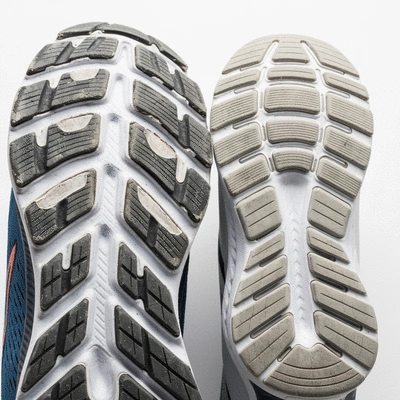
Running shoes don't last forever. The general rule of thumb is to replace them every 300-500 miles, or every 4-6 months if you're a regular runner. However, this can vary depending on your weight, running style, and the surfaces you run on. Look out for these signs that it's time for a new pair:
- Worn-Out Tread: If the outsole tread is significantly worn down, especially in certain areas, the shoe is losing its grip and cushioning.
- Lack of Cushioning: If your shoes feel flat or your joints start to ache after runs, the midsole cushioning has likely compressed and lost its shock-absorbing properties.
- Visible Damage: Cracks in the midsole, tears in the upper, or excessive creasing can indicate that the shoe's structural integrity is compromised.
- New Aches and Pains: If you suddenly develop new aches or pains after runs, it could be a sign that your shoes are no longer providing adequate support.
Top Running Shoe Brands to Consider
While personal preference is key, some brands consistently rank high for their innovation, comfort, and durability. Here are a few popular choices:
- Brooks: Known for their focus on gait analysis and providing shoes for all foot types, with popular models like the Ghost (neutral) and Adrenaline GTS (stability).
- Hoka: Famous for maximalist cushioning, offering exceptional comfort and shock absorption, ideal for long-distance runners. Models like the Clifton and Bondi are well-regarded.
- Saucony: Offers a wide range of shoes for various needs, from lightweight trainers to highly cushioned options. The Kinvara (lightweight) and Guide (stability) are popular.
- ASICS: A long-standing brand known for its GEL cushioning technology, providing excellent shock absorption. The GEL-Kayano (stability) and GEL-Nimbus (cushioned) are iconic.
- New Balance: Provides a good balance of cushioning, support, and style, with options for different foot widths. The Fresh Foam X 880 (neutral) and Fresh Foam X 860 (stability) are strong contenders.
Conclusion
Choosing the best running shoes is a personal journey that involves understanding your unique foot mechanics and preferences. By considering your foot type, key shoe features, and trying on different options, you'll be well on your way to finding a pair that keeps you comfortable, supported, and injury-free on your runs. Happy running!