The Ultimate Guide to Choosing the Best Home Security System
Protecting your home and loved ones has never been more crucial. With a myriad of options available, selecting the right home security system can be daunting. This comprehensive guide will walk you through everything you need to know, from understanding different types of systems to installation and ongoing maintenance.
Why Invest in a Home Security System?
A home security system is more than just an alarm; it's a comprehensive solution designed to deter burglars, alert you to emergencies, and provide peace of mind. The benefits extend beyond theft prevention, encompassing fire detection, carbon monoxide monitoring, and even smart home integration.
- Deterrence: Visible security cameras and signs can significantly reduce the likelihood of a break-in.
- Protection of Valuables: Safeguard your possessions, from electronics to irreplaceable family heirlooms.
- Peace of Mind: Knowing your home is protected, whether you're there or away, reduces anxiety.
- Emergency Response: Systems can automatically alert authorities in case of fire, carbon monoxide leaks, or medical emergencies.
- Insurance Benefits: Many insurance providers offer discounts for homes equipped with security systems.
Types of Home Security Systems
Understanding the different types of systems is the first step in making an informed decision. They generally fall into three categories:
1. Monitored Systems
Monitored systems are connected to a professional monitoring center that responds to alarms. When an alarm is triggered, the center is notified and will typically attempt to contact you before dispatching emergency services. This provides an additional layer of security, especially when you're away from home.
- Professional Monitoring: 24/7 surveillance by trained professionals.
- Faster Response Times: Authorities are dispatched quickly in emergencies.
- Reliability: Less reliant on your personal intervention during a crisis.
2. Unmonitored Systems
Unmonitored systems alert you directly when an alarm is triggered, usually through a loud siren and notifications to your smartphone. It's then up to you to contact emergency services. These systems are generally less expensive, but they require your active participation.
- Cost-Effective: No monthly monitoring fees.
- Direct Control: You receive all alerts and decide on the response.
3. Self-Monitored Systems
Self-monitored systems are a hybrid, offering advanced features similar to monitored systems but with you taking on the role of the monitoring center. You receive alerts, can view live camera feeds, and decide when to contact emergency services. Many smart home security systems fall into this category.
- Flexibility: Customize your system with various smart home devices.
- Remote Access: Control and monitor your home from anywhere via smartphone apps.
- No Monthly Fees (Optional): You can opt out of professional monitoring.
Key Components of a Home Security System
Regardless of the type, most home security systems include a combination of the following components:
Control Panel
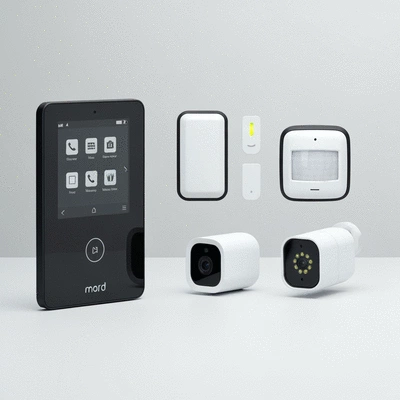
The brain of your security system, the control panel, allows you to arm and disarm the system, view status, and communicate with the monitoring center if you have a monitored system. Modern control panels often feature touchscreens and integrate with smart home hubs.
Sensors
Sensors are crucial for detecting intrusions and environmental hazards:
- Door and Window Sensors: Detect when a door or window is opened.
- Motion Sensors: Detect movement within a room.
- Glass Break Sensors: Detect the sound of breaking glass.
- Environmental Sensors: Include smoke detectors, carbon monoxide detectors, and flood sensors.
Security Cameras
Cameras provide visual surveillance and can be a powerful deterrent. They come in various forms:
- Indoor Cameras: Monitor activity inside your home.
- Outdoor Cameras: Designed to withstand weather conditions and monitor exterior areas.
- Doorbell Cameras: Allow you to see and speak to visitors at your door, even when you're not home.
- Pan-Tilt-Zoom (PTZ) Cameras: Offer remote control over viewing angles.
Alarms and Sirens
These provide an audible alert when the system is triggered, scaring off intruders and notifying occupants and neighbors of a potential issue.
Yard Signs and Window Decals
Simple yet effective, these visible deterrents inform potential intruders that your home is protected.
Choosing the Right System: Factors to Consider
With so many options, how do you pick the best system for your home? Consider these factors:
Budget
Security systems range widely in price, from DIY kits under $200 to professionally installed systems costing thousands, plus monthly monitoring fees. Determine what you're willing to spend upfront and on an ongoing basis.
Installation: DIY vs. Professional
- DIY Installation: Often wireless, easier to set up, and more flexible. Ideal for renters or those on a budget.
- Professional Installation: Ensures optimal placement and configuration, often required for more complex wired systems.
Monitoring Type
Decide whether you want professional monitoring, self-monitoring, or an unmonitored system based on your lifestyle, budget, and desired level of security.
Smart Home Integration
If you have smart home devices like smart locks, thermostats, or lighting, consider a security system that can integrate seamlessly with them for a unified smart home experience.
Scalability
Can the system expand as your needs change? Look for systems that allow you to easily add more sensors, cameras, or other devices in the future.
Customer Support and Warranty
Check reviews for customer service quality and understand the warranty coverage for your chosen system and components.
Top Home Security System Providers
Here are some of the leading companies in the home security market, each offering unique features and packages:
ADT
One of the oldest and most recognized names in home security, ADT offers professional installation and 24/7 professional monitoring. They provide a wide range of equipment, including security cameras, smart home devices, and environmental sensors.
- Pros: Long-standing reputation, extensive equipment options, professional installation.
- Cons: Higher monthly fees, often requires contracts.
SimpliSafe
SimpliSafe is known for its DIY installation and flexible monitoring plans. Their systems are easy to set up and can be customized with various sensors and cameras. They offer both professional monitoring and self-monitoring options.
- Pros: Affordable, no long-term contracts, easy DIY installation.
- Cons: Limited smart home integration compared to some competitors.
Ring Alarm
Part of the Amazon ecosystem, Ring Alarm offers affordable DIY home security with optional professional monitoring. It integrates seamlessly with Ring doorbell cameras and other Ring devices, making it a popular choice for those already invested in the Ring family of products.
- Pros: Affordable, excellent integration with other Ring devices, easy DIY setup.
- Cons: Professional monitoring costs extra, limited third-party smart home integration.

Arlo
Arlo specializes in wireless security cameras but also offers comprehensive security systems. Their cameras are known for high-definition video quality and advanced features like person detection and activity zones. Arlo systems are generally self-monitored with optional professional monitoring plans.
- Pros: High-quality wireless cameras, advanced detection features.
- Cons: Can be more expensive, professional monitoring is an add-on.
Google Nest Secure (Discontinued, but consider Nest products)
While Google Nest Secure has been discontinued, Google Nest still offers a range of smart home devices, including Nest Cams, Nest Protect smoke and carbon monoxide alarms, and Nest Hubs, which can form a robust self-monitored security ecosystem. These devices integrate well with the broader Google Assistant ecosystem.
- Pros: Seamless integration with Google ecosystem, high-quality cameras and sensors.
- Cons: No dedicated professional monitoring service through Google, requires piecemeal assembly.
Installation and Maintenance Tips
Once you've chosen your system, proper installation and ongoing maintenance are key to its effectiveness:
- Strategic Placement: Place sensors on all entry points, motion sensors in high-traffic areas, and cameras in vulnerable spots.
- Test Regularly: Periodically test your alarm system, sensors, and cameras to ensure they are functioning correctly.
- Battery Checks: Replace batteries in wireless sensors and ensure backup batteries in control panels are charged.
- Software Updates: Keep your system's software and firmware updated for optimal performance and security patches.
- Secure Your Network: Ensure your Wi-Fi network is secure with a strong password, especially for smart security systems.
Conclusion
Choosing the best home security system is a significant decision that impacts the safety and security of your home and family. By understanding the different types of systems, their components, and key factors to consider, you can make an informed choice that provides lasting peace of mind. Whether you opt for a professionally monitored system or a DIY self-monitored solution, the goal remains the same: to create a safer, more secure living environment.